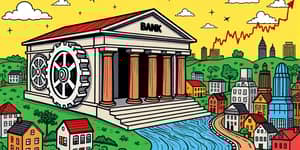
In an ever-fluctuating global economy, the word 'recession' can strike fear into the hearts of investors, workers, and families alike.
Yet, understanding what recessions are and how to navigate them can transform anxiety into action, turning uncertainty into opportunity.
This guide aims to demystify economic downturns and empower you with practical strategies to not just survive, but thrive through the storm.
By learning to prep, predict, and protect, you can build resilience that lasts a lifetime.
What is a Recession?
A recession is commonly defined as a period of broad decline in economic activity, often marked by two consecutive quarters of negative GDP growth.
However, it's more than just a technical term; it reflects a slowdown that touches every aspect of life.
Key indicators include declines in consumption, investment, and industrial production.
- Slowing economic growth and falling corporate profits.
- Weakening business investment and deteriorating labor markets.
- Housing market slowdowns with fewer sales and falling prices.
- Rising unemployment and reduced consumer spending.
These signs create a ripple effect, impacting jobs, savings, and daily expenses.
What Causes Recessions?
Recessions stem from multiple interconnected factors, often starting with a shock that disrupts spending or production.
They can be categorized into economic, external, and other triggers, each playing a role in the downturn.
- Economic factors like supply shocks, such as sudden oil price increases.
- Contractionary policies, including rapid interest rate hikes for inflation control.
- Credit and debt issues, where overextension leads to defaults and balance sheet recessions.
- Financial market problems, such as credit expansions followed by crunches.
- External shocks from wars, natural disasters, or geopolitical tensions.
- A decline in external demand for exporters, affecting global trade.
- Other triggers like unaffordable debt, bursting asset bubbles, or structural shifts like automation.
Understanding these causes helps in anticipating and mitigating risks.
Learning from History: Recessions in Context
Recessions are natural parts of the business cycle, influenced by employment, savings rates, and policies.
Historical examples, such as the 2007-2009 financial crisis or the early 1980s downturns, offer valuable lessons.
These events show how housing bubbles, credit freezes, and high interest rates can trigger widespread economic pain.
Theories like monetarism or Real Business Cycle Theory provide frameworks for understanding these patterns.
By studying the past, we can better prepare for the future, recognizing that recessions are not anomalies but cyclical events.
Can We Predict the Next Recession?
Prediction is challenging due to complex, endogenous variables that blur the line between causes and results.
There is no foolproof method, but watching for signs like slowing growth or inflation persistence can offer clues.
For instance, as of late 2025 views, base cases predict no U.S. recession in 2026, with GDP growth driven by consumer spending and fiscal stimulus.
- Risks include higher tariffs and reduced immigration keeping inflation above targets.
- This could lead to sustained high rates, curbing spending and potentially triggering a downturn.
- Stocks may fall and bonds rise during recessions, but broad predictions remain unreliable.
Staying informed and adaptable is key to navigating these uncertainties.
Your Financial Fortress: How to Prepare
Focus on personal finance and portfolio resilience to weather economic downturns with confidence.
Building a strong foundation involves multiple steps, from emergency funds to strategic investing.
This table outlines actionable steps to fortify your finances against recession impacts.
- Start by building an emergency fund with 3-6 months' expenses in safe, accessible accounts.
- Manage debt aggressively to reduce financial strain during credit crunches.
- Adjust your budget to cut unnecessary spending and focus on essentials.
Investing wisely is crucial; diversify with stocks, bonds, and real assets.
- Choose defensive sectors like Consumer Staples or Health Care for stability.
- Use fundamental index funds with a value tilt to weather market volatility.
- Consider longer-maturity bonds to lock in rates before potential Fed cuts.
Remember, maintaining a long-term strategy and avoiding reactive changes can lead to better outcomes.
Businesses During Downturns: Adapt and Thrive
For companies and sales teams, recessions require strategic shifts to protect and grow.
Focus on content-driven authority and solution-oriented messaging to stand out.
- Develop problem-focused white papers and case studies to build trust.
- Emphasize cost reduction and efficiency in your offerings.
- Offer flexible pricing models, such as pilots or performance-based options.
- Invest in long-term relationship building and market intelligence during slower cycles.
By adapting, businesses can not only survive but also gain a competitive edge.
The Cycle of Recession and Recovery
Recessions often create a vicious cycle: unemployment leads to lower consumption, which causes disinflation and profit drops, triggering more layoffs.
Recovery involves policy easing, such as rate cuts, but varies based on the recession's cause.
- Defensive assets tend to outperform during downturns.
- High-quality firms with strong cash flows often thrive.
- Balance sheet recessions slow as debt is paid down over time.
Understanding this cycle helps in planning for the rebound, ensuring you're positioned to seize opportunities as the economy heals.
Embrace these insights to build a resilient future, where knowledge and preparation light the way through economic challenges.
References
- https://en.wikipedia.org/wiki/Recession
- https://www.schwab.com/learn/story/5-tips-weathering-recession
- https://corporatefinanceinstitute.com/resources/economics/recession/
- https://money.com/recession-predictions-2026/
- https://www.td.com/ca/en/investing/direct-investing/articles/what-is-recession
- https://www.ally.com/stories/invest/understanding-and-preparing-for-a-recession/
- https://www.schwab.com/learn/story/what-is-recession
- https://www.usbank.com/wealth-management/financial-perspectives/financial-planning/how-to-prepare-for-recession.html
- https://www.ie.edu/uncover-ie/how-do-recessions-happen-ie-school-of-politics-economics-and-global-affairs/
- https://deliberatedirections.com/sales-strategies-during-recession/
- https://www.mckinsey.com/featured-insights/mckinsey-explainers/what-is-a-recession
- https://www.americancentury.com/insights/how-to-prepare-for-a-recession-for-life-and-finances/
- https://www.experian.com/blogs/ask-experian/what-is-recession/
- https://www.edelmanfinancialengines.com/education/financial-planning/is-a-recession-coming/
- https://www.munich-business-school.de/en/l/business-studies-dictionary/financial-knowledge/recession