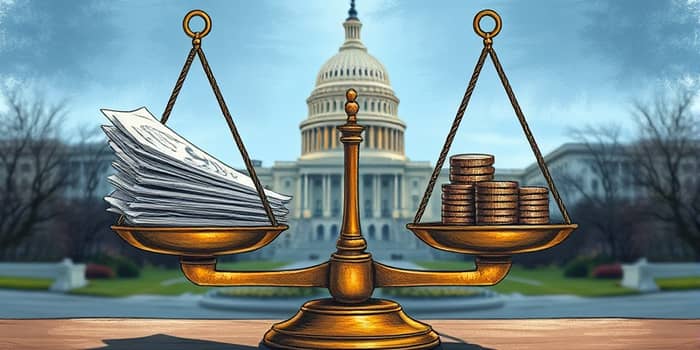
The U.S. tax code stands at a crossroads, torn between two powerful imperatives: simplifying a labyrinth of rules to enhance transparency and enforcing meaningful stimulus measures to spur economic activity. In recent years, this tension has become ever more acute as policymakers grapple with a growing tax gap, staffing cuts at the IRS, and sweeping retroactive legislation. Amid these pressures, taxpayers face uncertainty, delays, and confusion. Yet the opportunity for thoughtful reform shines bright. By embracing modernization and targeted incentives, the nation can deliver a system that is both accessible and dynamic. From the 165 million individual returns processed annually to the $688 billion gross tax gap in 2021, the stakes could not be higher.
The Rising Tide: Tax Gaps and Compliance Challenges
The tax gap—the difference between taxes owed and taxes paid—reached a staggering $688 billion in 2021, more than double the 2001 estimate of $345 billion. Voluntary compliance rates have hovered between 82 and 85 percent, suggesting that millions of taxpayers fall afoul of the system each year. Meanwhile, the IRS workforce has shrunk by 27 percent since 2021, creating growing tax administration challenges across every division.
- 76 percent of the gap stems from individual income taxes, highlighting vulnerabilities in reporting and enforcement.
- 165 million individual returns processed in 2025—94 percent electronically, 11 million on paper.
- Amended returns delays: 3.7 million individual cases averaged over five months; business amendments averaged 13 months.
- Identity theft investigations stretched beyond 21 months for hundreds of thousands of filers.
- Improper Earned Income Tax Credit payments climbed to 27.3 percent, translating to $15.9 billion in 2024.
These figures underscore the systemic risks of underfunded enforcement and outdated processing methods. As paper filings accumulate, transcription errors multiply, and taxpayers endure lengthy refund delays and backlogs. The Zero Paper Initiative, though laudable, remains hampered by legacy systems that resist seamless digitization.
Complexity’s Toll: Strains on the IRS and Taxpayers
Retroactive changes mandated by the One, Big, Beautiful Bill (OBBA) Act have forced the IRS into a frantic reprogramming cycle. Advisors report that over 70 percent are still evaluating OBBA’s impact on deductions, credits, and rates. The result is mounting confusion for taxpayers and professionals alike.
- Ongoing OBBA integration requires new forms, updated guidance, and extensive outreach efforts.
- Staff reductions have slowed telephone support and in-person assistance, leaving thousands stranded.
- Enforcement capacity has fallen: exams and collections are down 58 percent for high-income filers.
- Procrastination persists: 29 percent of Americans delayed filing in 2026, despite simpler e-file options.
These pressures disproportionately affect vulnerable populations—expatriates, low-income families, and non-English speakers—who often rely on paper notices and manual processes. Social media misinformation further complicates compliance, eroding trust in the system. Taxpayers struggle to discern rights and obligations, while the IRS labors under an avalanche of amendments and inquiries.
Stimulus Trade-offs: Incentives Amid Complexity
Policymakers often embed economic incentives within the tax code to drive policy goals: encouraging homeownership, education, and retirement savings. Yet each deduction, credit, and phaseout introduces layers of complexity that can undermine the intended stimulus effect.
For example, the top marginal rate remains at 37 percent, but most deductions yield only a 35 percent benefit, effectively raising the cost of compliance for those in higher brackets. Phaseout zones between $500,000 and $600,000 of income can cause a sudden $30,000 deduction loss under OBBA, creating a maze of “headache zones” for filers.
While these thresholds aim to target relief where it is most needed, they also demand constant vigilance from filers and preparers alike. The economic role of the tax code cannot be understated: unaddressed non-compliance forces greater debt, tax hikes, or spending cuts, threatening the nation’s fiscal health.
Paving a Path Forward: Reform Recommendations
Meaningful change will require both legislative action and administrative innovation. The Joint Committee’s Purple Book offers 71 proposals designed to reinforce simplicity and ensure that stimulus measures remain targeted and effective.
- Institute minimum competency licensing for preparers to curb improper EITC claims and bolster taxpayer confidence.
- Mandate IRS action on refund claims within one year, with penalties for undue delays.
- Remove per-clinic caps on Low-Income Taxpayer Clinics and lower matching requirements to 25 percent.
- Prioritize digital modernization while maintaining a focus on high-income audits to narrow the tax gap.
- Encourage greater third-party reporting to bolster voluntary compliance and reduce administrative burdens.
By combining these measures with improved customer service and clearer guidance, the IRS can transform into an agency that both facilitates and enforces. A system grounded in digital modernization and enforcement balance will reduce errors, empower taxpayers, and secure necessary revenues.
In the end, the tension between simplicity and stimulus need not be a zero-sum game. Thoughtful design, robust funding, and modern tools can yield a tax code that is both transparent and dynamic, promoting economic growth while ensuring fairness. As stakeholders from Capitol Hill to Main Street consider the path ahead, the challenge is clear: forge a compromise that honors the spirit of both simplicity and stimulus, delivering a tax system worthy of the nation it serves.
References
- https://www.irs.gov/newsroom/national-taxpayer-advocate-delivers-annual-report-to-congress-finds-taxpayer-service-was-strong-in-2025-but-foresees-challenges-for-taxpayers-who-encounter-problems-in-2026
- https://www.ipx1031.com/americas-biggest-tax-procrastinators-2026/
- https://bipartisanpolicy.org/explainer/breaking-down-the-federal-tax-gap/
- https://www.youtube.com/watch?v=oLt19zegxl8
- https://www.ntu.org/foundation/tax-page/what-are-federal-income-tax-rates-for-2025-and-2026
- https://pro.bloombergtax.com/insights/corporate-tax-planning/tax-trends-2026-key-developments-to-watch/
- https://www.bdo.com/insights/tax/navigating-u-s-tax-and-regulatory-requirements-a-guide-for-international-companies