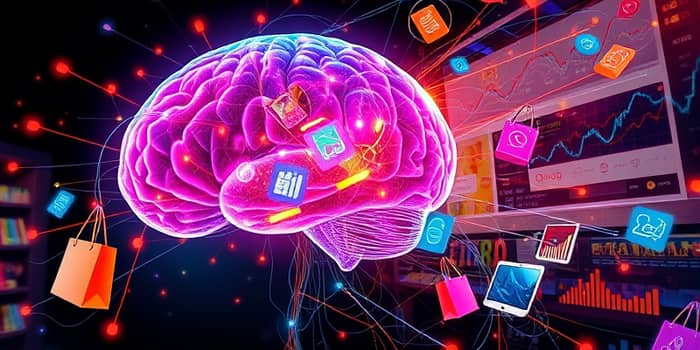
Every purchase we make is a window into the human mind, revealing how deep-seated psychological forces shape not just our wallets but entire economies. This exploration uncovers the hidden drivers behind consumer behavior, from impulse buys to deliberate investments, and how they collectively influence market dynamics.
At its core, spending is not just a financial act but a complex interplay of emotions, social pressures, and cognitive biases. Understanding these elements can empower consumers to make more mindful choices and businesses to better serve evolving needs.
Dopamine-fueled decisions often lead us astray, yet they reveal the intricate link between brain chemistry and market trends.
Core Psychological Drivers of Consumer Behavior
Psychological processes like learning, perception, and motivation are fundamental in how we interact with products and services. These elements filter information and drive our purchasing habits, often without conscious awareness.
Social influences further complicate this landscape. Family roles and group dynamics can dictate spending patterns, making consumer choices a reflection of societal norms.
Marketers leverage these insights through targeted strategies that tap into our deepest desires and fears. By appealing to emotions, they create lasting brand connections that transcend mere functionality.
- Appeal to Emotions: Emotional marketing fosters loyalty and encourages sharing, outperforming rational appeals in many contexts.
- Scarcity Tactics: Limited availability increases perceived value, prompting faster decision-making and purchases.
- Social Proof Mechanisms: The desire to fit in leads consumers to mimic trends, boosting sales through peer influence.
- Other key tactics include reciprocity, exclusivity, and leveraging neuroplasticity to shape habits.
Neurochemical and Emotional Mechanics
The brain's reward system plays a pivotal role in spending. Dopamine release during purchases creates a sense of thrill, even from mere anticipation, driving repeat behaviors.
Stress or sadness often triggers impulsive spending as a form of retail therapy. This emotional coping mechanism highlights how mental states directly impact financial decisions.
Mental rules and irrationalities govern many spending habits, such as holding contradictory beliefs about risk and security.
- Dopamine activation in reward centers encourages quick, often regrettable, purchases.
- Emotional distress can lead to overspending, masking deeper issues with temporary gratification.
- Cognitive biases, like the planning fallacy, result in poor budget management and unexpected debts.
Modern Consumer Trends Shaping Markets
In today's digital age, consumer behavior is evolving rapidly, driven by technology and shifting values. Social commerce and online platforms have transformed how we shop, making convenience a top priority.
Sustainability and ethical considerations are gaining traction, with more consumers willing to pay premiums for products that align with their values. This trend reflects a broader move towards conscious consumption.
- Post-COVID shifts include increased e-commerce reliance, with 80-90% of consumers in key markets shopping online regularly.
- Generational spending power is shifting, with Gen Z projected to eclipse boomers by 2029, adding over $8.9 trillion by 2035.
Generational and Macroeconomic Effects
Different age groups exhibit distinct spending behaviors, influencing market trajectories. Boomers and Gen X still hold significant market share, but younger generations are driving growth through digital adoption and value-based purchasing.
Inflation and economic uncertainty have led to trade-down behaviors, where consumers opt for cheaper alternatives without sacrificing quality. This trend reshapes retail strategies and product offerings.
Experiences over material goods are increasingly prioritized for happiness, impacting sectors like travel and entertainment.
- Gen Z and millennials focus on sustainability and digital experiences, fueling niche market expansions.
- Economic pressures cause 79% of consumers to trade down, yet 33% still splurge on indulgences, highlighting behavioral contradictions.
- Market sentiment often lags behind actual spending, indicating resilience in consumer habits despite external challenges.
Happiness and Broader Implications
Spending on experiences, rather than possessions, is linked to greater long-term satisfaction and gratitude. This shift has profound implications for how businesses design products and market them.
Behavioral economics shows that pricing and payment methods warp our perception of value, leading to irrational financial decisions that affect personal and planetary health.
The scale of consumer spending means these psychological forces have macro-level impacts, from environmental sustainability to economic stability.
- Experiences boost generosity and social connections, enhancing overall well-being beyond material gains.
- Irrational spending habits contribute to issues like waste and debt, urging a need for more mindful consumption patterns.
- Market research, such as surveys covering 75% of global GDP, underscores the global relevance of these behavioral insights.
Conclusion: Reshaping Markets Through Understanding
By delving into the psychology of spending, we can better navigate the complex web of influences that drive our choices. This knowledge empowers consumers to resist manipulative tactics and align spending with personal values.
For markets, recognizing these behavioral drivers is crucial for innovation and ethical growth. As trends evolve, the intersection of psychology and economics will continue to define our collective future.
Embracing this understanding fosters a more resilient and conscious economy, where spending serves not just immediate desires but long-term prosperity.
References
- https://www.driveresearch.com/market-research-company-blog/5-psychological-strategies-to-influence-consumer-spending/
- https://explodingtopics.com/blog/consumer-behavior
- https://www.sesloc.org/the-psychology-of-spending/
- https://www.statista.com/topics/11963/consumer-behavior-in-the-us/
- https://www.stmarysbank.com/learn/tools---resources/blog/detail/the-psychology-of-spending-and-how-to-manage-it
- https://www.pwc.com/us/en/industries/consumer-markets/library/consumer-markets-trends.html
- https://betterworld.mit.edu/spectrum/issues/winter-1999/the-psychology-of-spending/
- https://www.emarketer.com/topics/industry/consumer-behavior
- https://www.apa.org/monitor/2021/06/feature-consumer-behavior
- https://www.circana.com/insights-hub/u-s-consumer-behavior-and-shopping-trends-by-generation
- https://www.mckinsey.com/industries/consumer-packaged-goods/our-insights/state-of-consumer
- https://libguides.sdsu.edu/business/consumerstats
- https://www.deloitte.com/us/en/insights/industry/retail-distribution/consumer-behavior-trends-state-of-the-consumer-tracker.html
- https://www.sba.gov/business-guide/plan-your-business/market-research-competitive-analysis
- https://www.neuroscienceof.com/branding-blog/behavioral-economics-consumer-behavior-merle-van-den-aaker-interview