As we approach 2026, the U.S. housing market is entering a transformative phase, marked by a significant shift towards equilibrium after years of turbulence.
This evolution promises new horizons for buyers, sellers, and investors, driven by data-driven insights and regional nuances.
Understanding the emerging trends can empower you to navigate this landscape with confidence and seize opportunities.
National Overview: A Cautious Recovery on the Horizon
Forecasts from leading organizations indicate a modest rebound in housing activity, balancing optimism with realism.
Existing-home sales are projected to rise, with estimates varying from a slight 1.7% increase to a more substantial 14% growth.
This recovery is fueled by several interconnected factors that are reshaping market dynamics.
Mortgage rates stabilizing around 6% to 6.3% will likely enhance affordability and attract more buyers into the market.
Inventory levels are expected to grow by 8.9% to 9% year-over-year, moving closer to pre-pandemic norms.
Job growth of approximately 1.3 million new positions nationally will bolster economic stability and consumer confidence.
Home price increases are moderating, with national medians rising by 2% to 4%, offering a breather from rapid escalations.
- Key drivers include lower interest rates and improved supply conditions.
- Affordability remains a challenge, but wage growth outpacing prices in some areas provides relief.
- Construction trends show single-family permits rising in hotspots, while multifamily completions decline.
Conflicting views exist among sources, with NAR being more bullish on sales compared to cautious forecasts from Realtor.com and Redfin.
This divergence highlights the importance of monitoring multiple perspectives for a holistic view.
Decoding the Heatmap: Where Opportunity Meets Data
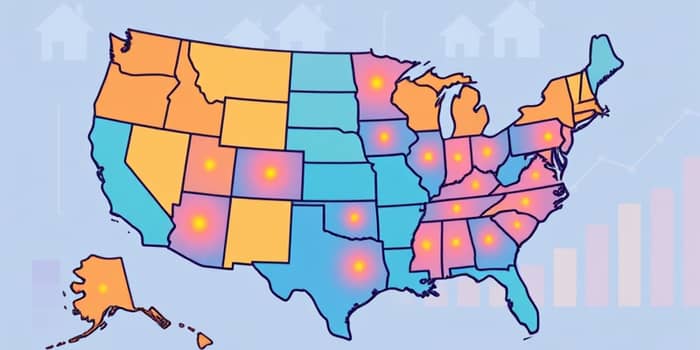
Heatmaps visualize market intensity, using color codes to highlight regions with high demand or potential corrections.
They serve as powerful tools for identifying trends and making informed real estate decisions.
NAR has identified top hotspots for 2026, focusing on metros with strong fundamentals like millennial households and job growth.
These markets, such as Charleston, SC, and Minneapolis-St. Paul, MN-WI, offer balanced demand and inventory alignment.
Meanwhile, Zillow and SparkRental project price gain leaders, with a noticeable shift towards the Midwest and Northeast.
This table underscores the rising potential in smaller cities, away from overheated Sun Belt markets.
On the flip side, former boomtowns are experiencing corrections, with cities like Austin, TX, and San Francisco, CA, facing price declines.
- Price decline leaders include New Orleans, LA, with a projected loss of 4.7%.
- This correction reflects a market reset, offering buying opportunities in adjusted areas.
- Heat indices from Zillow and ResiClub rank metros by supply and demand, aiding in strategic planning.
By leveraging these insights, you can pinpoint emerging growth corridors and avoid overvalued regions.
Regional Shifts: From Sun Belt Corrections to Midwest Resurgence
The housing landscape is witnessing a notable regional rebalancing, with momentum shifting from the Sun Belt to more stable markets.
Sun Belt areas, which saw rapid growth during the pandemic, are now cooling off as inventory increases and demand moderates.
In contrast, the Midwest and Northeast are gaining traction due to their affordability and steady economic foundations.
Rental markets are also evolving, with softening in the South and West providing temporary relief for tenants.
- Multifamily completions are down 15-20%, tightening rental supply over time.
- Vacancy rates are expected to drop to 7.2%, indicating a tighter rental environment by 2026.
- Average rents may grow by 3%, reaching $2,453 by 2028, influencing mobility decisions.
For buyers, this means enhanced negotiating power, especially for first-time and young buyers in balanced markets.
Buyer momentum is increasing nationally as inventory growth outpaces sales, creating a more favorable environment.
Sellers should adapt by pricing competitively and highlighting unique property features to attract interest.
Affordability and Mobility: Navigating the New Normal
Affordability improvements are on the horizon, driven by stabilizing mortgage rates and wage growth that outpaces home prices in some regions.
This shift is crucial for enhancing accessibility and enabling more Americans to achieve homeownership dreams.
Mortgage payment-to-rent ratios are improving in hotspots, making buying more attractive compared to renting.
Rent trends show a temporary softening in 2026, followed by tightening, which could boost mobility for those considering a move.
- Key factors include lower rates and inventory expansions that reduce competition.
- Regional variances, such as faster rent growth in cities like Cincinnati, offer localized opportunities.
- Long-term renter growth is expected due to high rates and demographic shifts, influencing investment strategies.
By staying informed, you can capitalize on affordability gains and make strategic moves aligned with personal goals.
Practical Insights for Stakeholders: Turning Trends into Action
Whether you're a buyer, seller, or investor, actionable strategies can help you thrive in the 2026 market.
For buyers, focus on markets with growing inventory and stable job growth to secure better deals.
For sellers, emphasize competitive pricing and unique amenities to stand out in a balanced landscape.
For investors, consider long-term trends like renter growth and regional shifts for portfolio diversification.
- Monitor real-time data from sources like Zillow Heat Index for up-to-date insights.
- Engage with local real estate professionals to understand micro-market conditions.
- Use forecasts to plan timing and budget, but remain flexible to adapt to changes.
Proactive planning and research are essential to navigate uncertainties and maximize returns.
Risks and Future Outlook: Staying Agile in a Dynamic Environment
While forecasts provide guidance, risks such as Federal Reserve policy shifts and inflation could alter the trajectory.
Construction slowdowns might impact future supply, affecting affordability and market balance.
Data limitations, with projections as of late 2025, necessitate continuous monitoring and adjustment.
- Economic factors like job growth fluctuations can influence housing demand.
- Builder sentiment indicates high unsold inventory, which may affect new construction trends.
- Global events or domestic policy changes could introduce unexpected volatility.
Embracing a flexible mindset allows you to pivot and seize opportunities as they arise.
The 2026 housing market is a canvas of potential, painted with the vibrant hues of heatmaps and forecasts.
By understanding these trends, you can transform insights into advantages, whether finding a home or building wealth.
Let this knowledge inspire you to take confident steps in a market that rewards informed and strategic action.
References
- https://www.nar.realtor/newsroom/national-association-of-realtors-unveils-top-10-homebuying-hot-spots-for-2026
- https://www.realtor.com/research/2026-national-housing-forecast/
- https://sparkrental.com/top-10-cities-for-home-prices-gains-in-2026/
- https://www.nar.realtor/magazine/real-estate-news/economy/housing-market-set-for-a-2026-comeback-nar-predicts
- https://www.zillow.com/home-values/102001/united-states/
- https://www.marketplace.org/story/2025/12/18/the-2026-housing-market-expectations-and-predictions
- https://www.resiclubanalytics.com/p/this-interactive-housing-market-map-shows-where-sellers-and-buyers-have-the-most-power-right-now
- https://realwealth.com/learn/housing-market-predictions/
- https://www.realtor.com/research/reports/hottest-markets/
- https://www.redfin.com/news/housing-market-predictions-2026/
- https://www.reventure.app
- https://www.youtube.com/watch?v=rEKxV0pyeQg