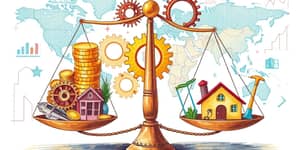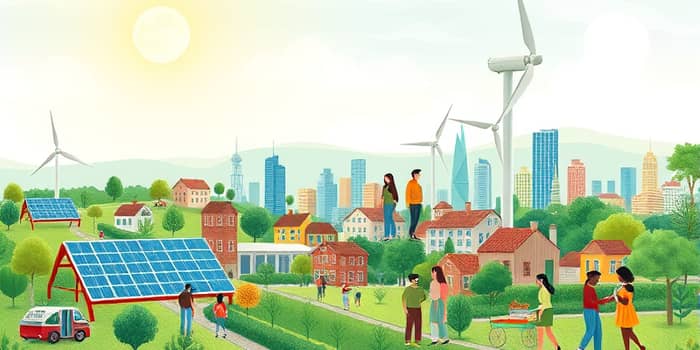
In an era defined by climate urgency and resource scarcity, the green economy shines as a transformative force for global progress.
It merges environmental stewardship with economic vitality, creating a pathway to resilience and prosperity.
This shift is not just an ideal but a multi-trillion-dollar market opportunity that redefines how we grow and thrive.
The Unstoppable Rise of Green Markets
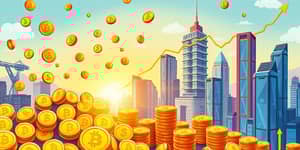
The global green economy has already surpassed an impressive $5 trillion in annual value.
Projections indicate it will exceed $7 trillion by 2030, making it the second-fastest growing sector worldwide.
Since 2020, green revenues have grown twice as fast as conventional revenues, highlighting its robust momentum.
Companies with significant green exposure enjoy valuation premiums of 12-15%, attracting lower-cost capital.
This financial outperformance underscores the economic viability of sustainable practices.
Core Components Defining the Green Economy
At its heart, the green economy achieves growth by reducing pollution and enhancing resource efficiency.
It aligns economic activities with sustainability, responsibility, and well-being within environmental limits.
High-impact sectors drive this transformation, including clean energy, sustainable transport, and climate-resilient infrastructure.
These areas are essential for building a resilient and circular future that minimizes waste.
- Clean energy and sustainable transport serve as core drivers of change.
- Accelerating sectors include carbon management, sustainable agriculture, and climate forecasting.
- Energy management and efficiency have seen over threefold growth, fueled by advancements like cloud computing.
Investing in people through education and skills training is crucial for a just transition and green job creation.
Drivers Accelerating Sustainable Growth
Technology maturity and cost efficiency are key accelerators, with innovations reducing expenses over time.
For instance, solar photovoltaics and lithium batteries have seen cost declines of around 90% since 2010.
This enables the abatement of 55% of global emissions using cost-competitive green solutions.
- Regulatory shaping and ecosystem building foster early-market demand and new standards.
- Diversified capital access through public subsidies and institutional funding supports expansion.
- Investment trends show record highs, with private capital playing a critical role as public budgets strain.
Challenges remain, such as policy support needed for 20% of emissions to achieve cost competitiveness.
Leadership and Innovation in Action
China leads the charge with massive investments, deploying over $659 billion in clean energy in 2024.
It dominates in solar, wind, and battery manufacturing, contributing significantly to global renewable capacity.
Europe and the US also lead in some areas of innovation, creating a diverse global landscape.
Case studies from the World Economic Forum highlight how pioneers turn green markets into competitive advantages.
- These examples demonstrate scaling technology and building regulatory ecosystems.
- They emphasize bold moves in low-carbon and resilience strategies for above-market growth.
The CEO guidebook from WEF-BCG provides a framework for leveraging this trillion-dollar market.
Investment Opportunities and Practical Insights
For investors and businesses, the green economy offers diversified opportunities across sectors and geographies.
The US holds 54% of the market exposure, while China accounts for 12%, with higher shares in Japan and Europe.
Adaptation solutions, such as cooling systems and flood management, represent an annual investment of $1.1 trillion.
This accounts for over 20% of climate-related investments, highlighting growing resilience priorities.
This table illustrates the robust growth trajectories in key sub-sectors, offering clear pathways for engagement.
- Focus on sectors with high growth rates, such as green technology and sustainable building materials.
- Leverage cost declines in renewable energy to implement scalable solutions.
- Engage in partnerships with regulators to shape supportive policies and standards.
Behavioral changes are also needed to address 5% of emissions, emphasizing community involvement.
Future Outlook and Call to Action
The green economy is poised for $2 trillion in growth over the next five years, despite macro uncertainties.
It promises job generation, innovation, and sustainable prosperity on a global scale.
Historical data shows the market cap grew from $2 trillion in 2009 to over $7 trillion in 2021.
This represents a compound annual growth rate of about 14%, signaling long-term viability.
- Prioritize investments in adaptation and resilience to mitigate climate risks.
- Support education and training programs to build a skilled workforce for green jobs.
- Monitor evolving definitions and market scopes to stay aligned with authoritative sources like WEF-BCG reports.
By embracing this transformative shift, we can all contribute to a healthier planet and thriving economies.
The journey towards a sustainable future is not just necessary but filled with unprecedented opportunities.
References
- https://www.bcg.com/press/2december2025-green-economy-path-7-trillion-2030
- https://www.weforum.org/press/2025/12/the-multi-trillion-dollar-growth-opportunity-new-report-shows-green-economy-expected-to-surpass-7-trillion-in-annual-value-by-2030/
- https://www.benchmarkintl.com/insights/the-green-economy-update-and-outlook/
- https://www.weforum.org/publications/already-a-multi-trillion-dollar-market-ceo-guide-to-growth-in-the-green-economy/
- https://www.oecd.org/en/publications/green-finance-and-investment_24090344.html
- https://www.greeneconomycoalition.org/news-and-resources/the-green-economy-pocketbook
- https://nyec.org/green_economy/
- https://www.businessgreen.com/news-analysis/4524027/green-economy-expect-2026