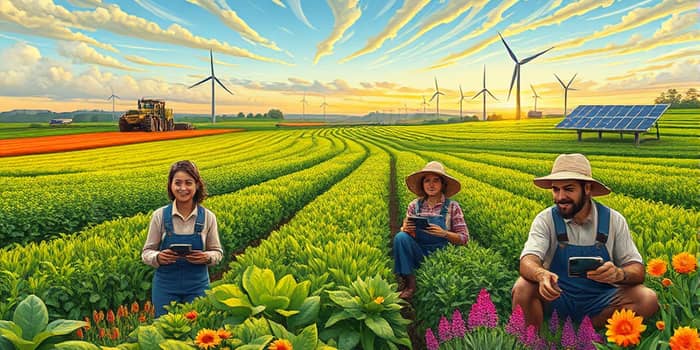
As the sun rises over parched fields and bustling marketplaces around the world, the stark reality of hunger persists in communities large and small. In 2026, nearly 300 million people face the threat of famine or worse, a number that has acute food insecurity has nearly tripled since 2016. This crisis demands not only our attention but our collective action through bold investments and innovation.
The Urgent State of Global Hunger
Despite sufficient global food production to nourish over 8.2 billion individuals, one in 11 people still goes hungry each day. Recent reports confirm simultaneous famines in Gaza and Sudan—the first of their kind this century—while an estimated 770,000 individuals teeter on the edge of starvation. A 20 percent rise in acute food insecurity since 2020 underscores how conflict, climate shocks, fragility, and compounding crises have combined to deepen suffering.
- Conflict and political instability
- Climate-induced droughts and floods
- Economic fragility and market disruptions
- Compounding health and humanitarian emergencies
In Haiti, over half the population endures crisis-level hunger amid security challenges. Madagascar suffers chronic malnutrition and livelihood erosion. Throughout hotspots like Afghanistan, Somalia, and Syria, gains of the past two decades have been reversed. These realities humanize statistics and remind us that behind every number lies a family struggling to survive.
Building Resilience Through Strategic Investment
Recognizing that short-term relief must align with long-term resilience, the Food and Agriculture Organization has launched its first Global Emergency and Resilience Appeal, seeking $2.5 billion for 2026 to support over 100 million people across 54 countries. Meanwhile, the World Bank’s comprehensive portfolio spans 90 nations, aiming to reach 327 million beneficiaries by 2030. These efforts combine social protection with climate-smart agriculture and sustainable productivity measures.
A detailed overview of key World Bank programs shines a light on where targeted funds can make the most difference:
Such investments emphasize not only emergency response but also strengthened market access, policy reform, and the preservation of natural resources. Through public-private partnerships and innovative financing, these initiatives reflect a paradigm shift from relief to resilience.
Innovations in Sustainable Agriculture
As the world seeks sustainable paths forward, the agriculture sector is undergoing a transformation. The global sustainable agriculture market is projected to grow from $16.76 billion in 2025 to $18.35 billion in 2026. Revenues from climate adaptation technologies—such as drought-resistant seeds, water-efficient irrigation, and soil restoration—are set to quadruple from $1 trillion to $4 trillion by 2050, potentially boosting yields by up to 30 percent.
- Plant science breakthroughs for higher yields
- Precision agriculture platforms powered by AI
- Regenerative carbon sequestration solutions
- Livestock monitoring and alternative proteins
- Enabling technologies: data analytics, robotics
Moreover, venture capital inflows reached $16 billion in 2024, with AgTech company valuations expected to hit $74 billion by 2034. Traceability solutions, including blockchain-based tracking, are projected to grow from $19.3 billion in 2025 to $41.8 billion by 2035, ensuring consumers can trust clean-label and specialty crops. Yet, adoption among smallholder farmers faces hurdles—only 36 percent plan to integrate AI tools—highlighting the need for accessible, affordable solutions.
A Pathway to 2050: Collaborative Action
To feed an estimated 9.7 billion people by mid-century while preserving ecosystems, we must marry immediate interventions with sustained, systemic change. Policymakers, investors, civil society, and farmers must forge a united front. Through coordinated global partnerships and unwavering commitment, we can transform vulnerability into opportunity.
- Support policy reforms that incentivize sustainable practices
- Invest in climate-smart agriculture and resilient infrastructure
- Empower smallholder farmers with training and financing
- Foster public–private collaboration for innovation
- Promote market access and fair trade for vulnerable communities
These actions, taken together, can break the cycle of hunger and poverty. By allocating capital toward clean technologies, rewarding conservation efforts, and ensuring that no community is left behind, we can build a food system that is as just as it is abundant.
Our collective journey toward food security is both a moral imperative and an investment in global stability. As donors channel resources into life-saving programs, and entrepreneurs pioneer new solutions, every stakeholder plays a vital role. Let us seize this moment to write a new chapter—one in which no child wonders where their next meal will come from, and where resilient, regenerative agriculture sustains both people and planet for generations to come.
References
- https://www.fao.org/emergencies/appeals/global-appeal/en
- https://www.harvestreturns.com/blog/2025/12/9/2026-agriculture-investment-outlook
- https://www.worldbank.org/en/topic/agriculture/brief/food-security-update
- https://www.thelandgeek.com/blog-farmland-investing-2026/
- https://www.wfp.org/global-hunger-crisis
- https://www.americancentury.com/institutional-investors/investment-outlook/sustainable-investing-trends/
- https://concernusa.org/news/world-hunger-facts/
- https://www.schroders.com/en/nordics/professional/insights/2026-sustainable-investment-outlook-7-key-trends-for-north-america-in-the-year-ahead/
- https://www.usda.gov/about-food/food-safety/food-security
- https://investments.metlife.com/insights/agricultural-finance/us-agricultural-outlook-2026/
- https://www.haydenoutdoors.com/?p=356415
- https://www.ilsoy.org/top-trends-for-agriculture-in-2026/
- https://www.dllgroup.com/en/blogs/blogsoverview/innovative-agriculture-key-trends-for-2026
- https://www.thebusinessresearchcompany.com/report/sustainable-agriculture-global-market-report