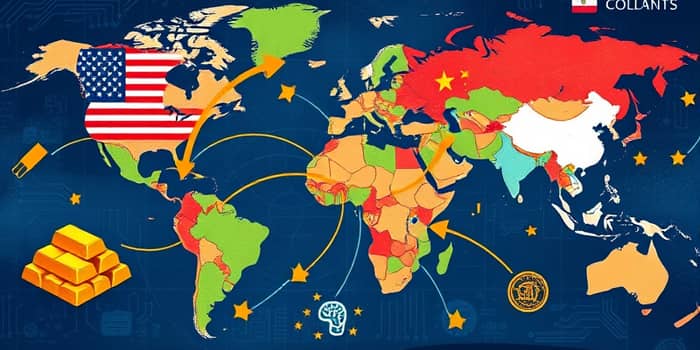
In 2026, investors face an unprecedented matrix of geopolitical shifts shaping markets worldwide. From US policy reversals to rising blocs, understanding these forces is critical for portfolio resilience.
Understanding the 2026 Geopolitical Landscape
This year marks a turning point as the world moves from post-pandemic recovery into a period of intense great power competition. Under the Trump administration, the United States has embraced economic nationalism via surged tariff rates, reversing previous immigration flows and injecting uncertainty into global supply chains.
Meanwhile, US-China tensions define market sentiment. Spring 2026 witnessed reciprocal state visits—Trump in Beijing and Xi at the G20—yet tariffs and trade barriers remain poised to persist through the decade.
Major Power Rivalries and Regional Dynamics
Across Europe, security concerns rise as Russia’s rhetoric grows more bellicose. President Putin’s warnings ignited fresh defense spending commitments, creating sustained opportunities in European defense sectors.
In the Middle East, thawing ties between Saudi Arabia and Israel signal a potential paradigm shift in regional cooperation. Combined with Gulf states’ investments in energy, technology, and clean power, these developments offer emerging opportunities in the Gulf.
At the same time, de-dollarization trends gain momentum, with central banks diversifying reserves away from US assets. The resulting block-based allocation of global assets has already begun to reshape capital flows.
Key Geopolitical Events and Risks
- US tariff threats and relief rallies, including proposed levies on NATO allies.
- US-China strategic rivalry persisting despite high-level visits.
- Europe’s defense buildup amid Russia’s aggressive posture.
- Normalization talks in the Gulf and potential Iranian leadership changes.
- Broader fragmentation as globalization gives way to blocs.
Capital Flows, Market Volatility, and Safe Havens
Heightened geopolitical risk has already manifested in sharp reductions in foreign direct investment and portfolio investment in emerging markets. Financial institutions are executing a flight-to-safety and gold demand strategy, driving gold to record highs—up 6% YTD through mid-2026.
Investors are retrenching from riskier jurisdictions, favoring assets denominated in euros, yen, and emerging-market local currencies. Bank lending to vulnerable countries has contracted sharply, illustrating the systematic exodus from vulnerable markets.
Portfolio Diversification Strategies
In response to these risks, savvy investors are shifting away from US-centric allocations toward a more balanced global stance. The following approaches can help navigate volatility:
- Increase gold and precious metals as core hedges.
- Expand international equity exposure, especially in Europe and the Gulf.
- Allocate to defense-sector funds benefiting from higher military budgets.
- Pursue private equity and infrastructure in non-US markets.
- Monitor de-dollarization by holding diverse currency positions.
Equity valuations in the US remain stretched—about 23% above historical norms per dollar of expected earnings—suggesting a need to balance portfolios with alternatives and undervalued regions.
Economic Data and Policy Backdrop
In early 2026, slower yet stable global growth has been supported by falling energy prices, which helped anchor inflation expectations. The Federal Reserve has cut rates by 75 basis points since September 2025, and further easing may emerge as growth falters.
Tax relief legislation passed in mid-2025 is now translating into hefty refunds, boosting consumer spending in Q1. Key indicators to watch include US durable goods orders, Eurozone unemployment, and central bank rate decisions from Brazil and the European Central Bank.
Preparing for Black Swans and Uncertainties
While many trends follow predictable patterns, high-impact unpredictable events—sanctions, expropriations, sudden policy U-turns—remain ever present. Investors should build optionality into portfolios by maintaining liquidity reserves and employing nimble rebalancing frameworks.
Stress-testing scenarios for trade disruptions, regional conflicts, and AI-driven growth spurts can reduce shock vulnerability. By anticipating AI-tailwinds boosting data center growth and plotting contingency plans for geopolitical flare-ups, market participants can preserve capital and capture upside.
Conclusion: Adapting Proactively to a Fragmented World
Geopolitical risk is no longer a peripheral concern; it is shaping the core architecture of global markets. As economic nationalism and bloc-based investments intensify, diversification urgency for global assets has never been greater.
Investors who embrace a multi-asset, multi-region approach—combining safe havens, defense plays, and emerging market opportunities—will be best positioned to navigate volatility. By marrying rigorous data analysis with a clear understanding of geopolitical undercurrents, portfolios can become resilient engines of growth in an increasingly fragmented world.
References
- https://www.amundi.com/institutional/article/davos-2026-geopolitical-shifts-reshape-global-agenda
- https://www.pbig.ml.com/articles/2026-market-outlook.html
- https://privatebank.jpmorgan.com/nam/en/insights/audio-and-webcasts/webcasts/geopolitical-market-impacts-and-investment-perspectives-for-2026
- https://www.newyorklifeinvestments.com/global-markets/geopolitics
- https://aspiriant.com/fathom/geopolitical-risks-economic-data-2026/
- https://www.morganstanley.com/insights/articles/2026-market-optimism-and-risks
- https://www.blackrock.com/us/financial-professionals/insights/thematic-investing-outlook-2026
- https://www.youtube.com/watch?v=XQjsOWWtTzU