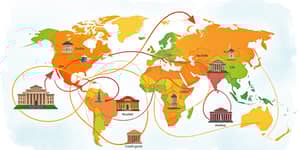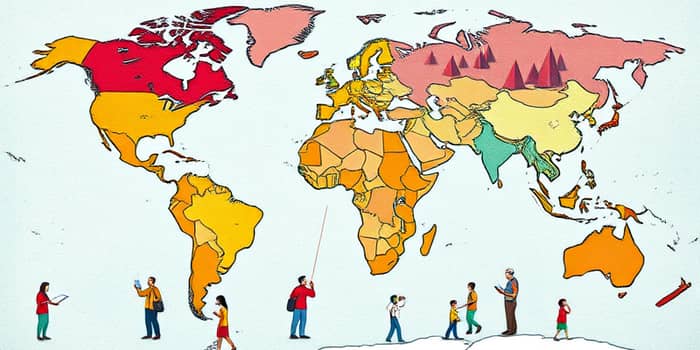
As the global population landscape transforms, investors, policymakers, and business leaders must adapt to profound age and growth dynamics. From the worldwide plunge in fertility to the rise of youth-heavy regions, this article provides insight and actionable strategies for navigating demographic change.
Understanding the Global Demographic Transformation
Over two-thirds of countries now register fertility rates below replacement level. First-wave regions—advanced economies and Greater China—average just 1.2 children per woman and already face rapid declines. Second-wave regions such as Emerging Asia, India, and Latin America hover near 2.2 but will soon dip below replacement.
This shift reshapes populations in waves. As birth rates fall, age pyramids invert into obelisk shapes. Working-age shares decline, creating a shrinking working-age population and youth scarcity that wield more economic influence than aging alone.
Challenges of Aging Societies and Youth Scarcity
By 2050, seniors will account for 25% of global consumption—double their 1997 share. In countries like Japan and Italy, support ratios (working-age adults per senior) will halve, straining pensions and social services.
Population loss also emerges. First-wave regions may lose one-third of their populace by 2100. China’s decline exceeds Bosnia-Herzegovina’s total population, while 452 U.S. counties shrank in 2023–24 without immigration.
- Economic growth headwinds: Shrinking labor pools depress GDP per capita.
- Intergenerational wealth transfer: Higher pension burdens erode family assets.
- Service demand shifts: Healthcare and eldercare needs surge.
- Youth infrastructure deficits: Emerging regions must expand schools and jobs.
Opportunities in an Aging World
The silver economy represents a multi-trillion-dollar frontier. Health and wellness services, age-tailored financial products, and leisure industries can thrive as seniors seek vitality and purpose. Investors can capitalize on:
Healthcare innovation that supports healthy aging, from telemedicine to personalized nutrition. Leisure and wellness sectors offering active lifestyles for retirees. Long-term care solutions that marry technology with human-centric design.
Financial institutions can craft annuities and insurance plans that match senior consumption patterns. Real estate developers may convert urban spaces into intergenerational communities, blending accessibility with social engagement.
Harnessing Youthful Potential in Emerging Regions
While first-wave regions contract, later-wave countries will generate nearly half of global population growth by 2050. India, Nigeria, Pakistan, and DR Congo alone will account for much of the increase. This youthful surge spawns youth-driven demand in housing, digital services, and consumer goods.
- Education technology: Edtech platforms to upskill millions.
- Digital finance: Mobile banking for underbanked youth.
- Urban infrastructure: Smart cities with sustainable transit.
- Healthcare expansion: Clinics and telehealth in remote areas.
Companies that provide scalable, affordable solutions in these domains can capture rapid market share and foster inclusive growth. Public–private partnerships may finance critical transport, utilities, and logistics networks.
Strategies for Policymakers and Businesses
No single lever can offset demographic headwinds. Success demands a multipronged approach:
- Boosting productivity: Automation, AI, and reskilling to raise output per worker.
- Expanding migration policies: Targeted immigration to fill labor gaps.
- Supporting family formation: Childcare subsidies and parental leave incentives.
- Reinventing retirement: Flexible careers, phased retirement, and midlife upskilling.
Businesses should blend elder experience with youth innovation, creating cross-generational teams. Governments must align fiscal policies with demographic realities, reforming pensions and healthcare funding to ensure sustainability.
Navigating Risks and Ensuring Inclusion
Demographic transitions also pose social and political risks. Underfunded women’s health programs, mismatched policy horizons, and widening inequality can undermine cohesion. Stakeholders must prioritize:
Women's health and midlife care as systemic forces that influence fertility and labor participation. Digital infrastructure to bridge access gaps and enhance data-driven planning. Social cohesion programs that foster intergenerational solidarity and community resilience.
By addressing these factors, countries can mitigate instability and share the benefits of growth across age groups.
Charting a Prosperous, Balanced Future
Global demographic shifts present both challenges and transformational opportunities. Aging societies call for innovation in healthcare and finance, while youthful populations demand investments in education, infrastructure, and digital services. Strategic action across productivity, migration, and social policies can unlock new pathways for growth.
Investors and leaders who embrace these trends with foresight will drive sustainable prosperity, ensuring that every generation—old and young—contributes to a thriving global economy.
Embrace demographic change today: it will define our economic and social landscape for decades to come.
References
- https://www.mckinsey.com/mgi/our-research/dependency-and-depopulation-confronting-the-consequences-of-a-new-demographic-reality
- https://www.bakertilly.global/insights/global-demographic-shifts
- https://elderberries.substack.com/p/five-demographic-truths-shaping-2026
- https://datareportal.com/reports/digital-2026-global-population-trends
- https://www.prb.org/articles/five-facts-and-trends-were-watching-in-2026/
- https://www.cbo.gov/publication/61994
- https://www.census.gov/newsroom/press-releases/2026/population-growth-slows.html
- https://www.economicsobservatory.com/how-could-falling-birth-rates-reshape-the-global-economy
- https://www.worldometers.info/demographics/world-demographics/