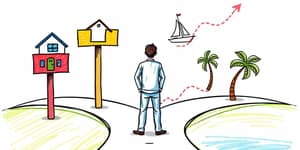
Debt can feel like a towering mountain, but with insight and determination, you can climb to the summit and breathe free.
The Weight of Global and Personal Debt
Debt touches every corner of our world. From governments to families, obligations have soared to historic highs.
Globally, total debt across all sectors reached approximately $251 trillion in 2024–2025, equal to 235% of world GDP. Public (government) debt alone topped $99.2 trillion, while sovereign obligations hit $111 trillion in 2025 — nearly 95% of global GDP. In low- and middle-income countries, high interest costs and weaker currencies amplify stress.
On the consumer side, U.S. households carried $18.59 trillion in total debt in Q3 2025. That figure includes mortgages, credit cards, auto loans, HELOCs, and student loans, with an average balance per consumer of $104,755.
Understanding Personal Debt Categories
Demystifying debt starts with knowing its forms and costs.
- Mortgages: the largest slice of household debt, secured by real estate and typically carrying the lowest interest.
- Credit cards: revolving debt with some of the highest interest rates, often driving financial distress when balances remain unpaid.
- Auto loans: secured by vehicles, balances totaled $1.66 trillion in Q3 2025; rates vary by credit score.
- Student loans: $1.65 trillion in balances, with delinquencies rising post-pandemic pause.
- HELOCs (Home Equity Lines of Credit): $422 billion outstanding, up 9% year over year, used for consolidation or renovations.
- Personal and retail loans: smaller balances but often higher rates than secured debts.
Common Traps and Root Causes
Debt problems rarely stem from laziness. They often reflect life circumstances, systemic pressures, and hidden pitfalls.
- Income shocks and financial instability: unexpected job loss, medical emergencies, or caregiving responsibilities.
- Lack of budgeting and money management skills: without a clear spending plan, balances can spiral uncontrollably.
- Compounding high interest traps: carrying minimum payments on credit cards multiplies costs over time.
- Life events and emergencies: divorce, relocation, or sudden repairs can push families into unsecured debt.
- Behavioral factors: emotional spending, normalization of debt, and limited visibility into total obligations.
Case studies from credit counseling agencies reveal that many individuals accumulate tens of thousands in debt through a combination of these factors. But success stories also show that change is possible.
Charting Your Path to Financial Freedom
Overcoming debt demands both practical tools and emotional resilience. By following a clear playbook, you can restructure obligations and restore confidence.
- Build a realistic budget: track income and expenses, prioritize needs over wants, and cut nonessentials.
- Create an emergency fund: even $500 can prevent credit card use when surprises arise.
- Negotiate with creditors: request lower interest rates or enroll in hardship programs.
- Choose a strategic debt repayment approach: consider the strategic debt repayment approach that fits your personality—avalanche (highest rate first) or snowball (smallest balance first).
- Seek professional support: credit counseling, debt management plans, or community resources can offer continuous accountability and support.
As you implement each step, monitor progress monthly. Celebrate milestones—first zero balance, first six months of on-time payments, or a fully funded emergency cushion.
Debt relief is more than just numbers. It’s about reclaiming self-confidence and securing lasting stability. By adopting disciplined habits and leaning on trusted partners, you lay the groundwork for a future unburdened by constant financial worry.
Your journey to financial liberation begins today. With knowledge, determination, and a supportive community, you can break free and stay free for life.
References
- https://www.experian.com/blogs/ask-experian/research/consumer-debt-study/
- https://www.greenpath.com/client-stories/a-debt-management-success-story/
- https://www.newyorkfed.org/newsevents/news/research/2025/20251105
- https://www.consumercredit.com/about-us/client-stories/conquering-credit-card-debt-with-accc-samanthas-success/
- https://www.cfp.net/news/2024/12/reducing-debt-is-americans-no-1-financial-priority-for-2025-cfp-board-research-finds
- https://www.moneymanagement.org/iimproving-lives/stories/kathy-d
- https://unctad.org/publication/world-of-debt
- https://www.incharge.org/debt-relief/credit-counseling/success-stories/
- https://blogs.worldbank.org/en/opendata/international-debt-report-2025--when-relief-isn-t-enough---lmics
- https://creditcounselingcenter.org/jennifers-success-story-paid-off-30000-in-debt/
- https://www.congress.gov/crs-product/IN12045
- https://www.accrediteddebtrelief.com/blog/5-debt-success-stories-how-real-people-paid-off-thousands-in-debt-through-debt-consolidation/
- https://www.oecd.org/en/publications/2025/03/global-debt-report-2025_bab6b51e.html
- https://nomoredebts.org/blog/dealing-with-debt/debt-management-success-story-for-first-time-renters-katies-journey-paying-off-credit-card-and-payday-loan-debt
- https://www.imf.org/en/blogs/articles/2025/09/17/global-debt-remains-above-235-of-world-gdp
- https://www.checkbook.org/national/how-to-pay-off-debt/
- https://www.visualcapitalist.com/state-of-world-debt-in-2025/
- https://www.beyondfinance.com/blog/this-success-story-captures-the-emotional-benefits-of-debt-consolidation/